The Orthodox Faith
-

The Invitation and the Garment
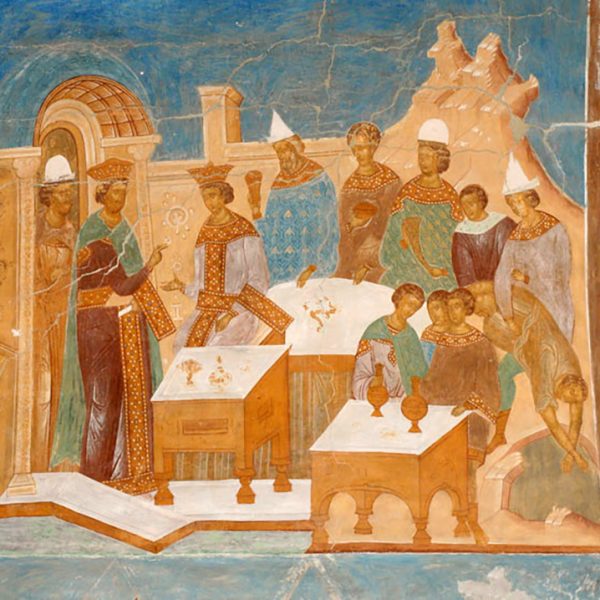
View MoreThe wedding garment is not about moral perfection. It is not about being “good enough.” It is the garment of repentance, the clothing of a heart willing to be transformed. Bridegroom Matins gives us the words: “I see Thy bridal chamber adorned, O my Savior, but I have no wedding garment that I may enter.” This is not despair—it is the beginning of true preparation. It is the humility that allows Christ to clothe us in His own light.
-
What is Impossible for Us
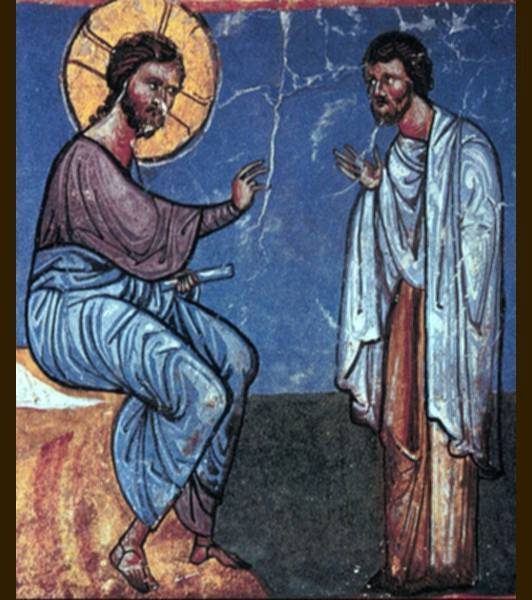
View MoreThe Lord’s final invitation—“Sell what you have… and follow Me”—is not a demand for poverty but a call to release the illusion of self‑sufficiency. The young man’s sorrow reveals how tightly he clings to the belief that he must be the architect of his own salvation.
-
Forgiven, Yet Unchanged
View MoreWe forget how often we have fallen. We forget how often we have been carried. We forget the patience God has shown us in our weakness, our wandering, our repeated failures. And when we forget, compassion dries up. We become accountants of other people’s mistakes. We measure their faults with precision while excusing our own. We punish instead of heal. We imprison instead of release.
-
From the Mountain to the Valley
View MoreThe mountain still clings to them. The brightness of Christ’s face, the shimmering garments, the voice that rolled like thunder from the cloud—these things are not easily forgotten. Peter, James, and John descend with Jesus carrying a secret glory in their hearts, a glimpse of the world as it truly is when seen in God’s light. But the valley waits for them.
And in the valley stands a father with a broken voice and a suffering child. The disciples, still dazzled by the memory of divine radiance, find themselves powerless before human pain. The contrast is jarring: from the summit of revelation to the raw ache of a parent begging for help.
-
Gathered by Grace
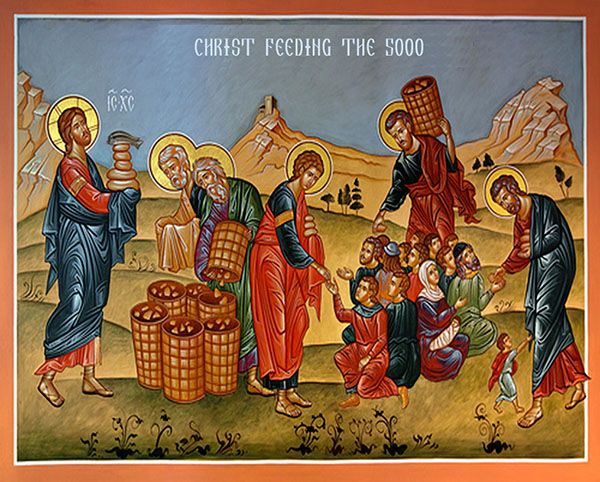
View MoreChrist gathers what we scatter. He gathers divided hearts, divided communities, divided hopes. He gathers our small offerings—our time, our compassion, our willingness to serve—and makes them more than they could ever be in our hands alone. The miracle of the loaves is not only about feeding; it is about communion. It is about people sitting together, receiving from one source, discovering that in Christ’s hands there is always enough.
-
“Do you believe that I am able to do this?”
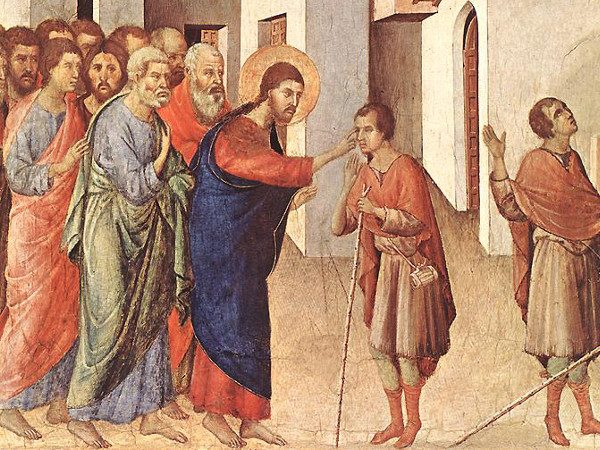
View MoreWhen Jesus asks, “Do you believe that I am able to do this?” He is not asking for certainty. He is asking for trust. And their simple answer—“Yes, Lord”—opens their eyes.