-

Gathered by Grace
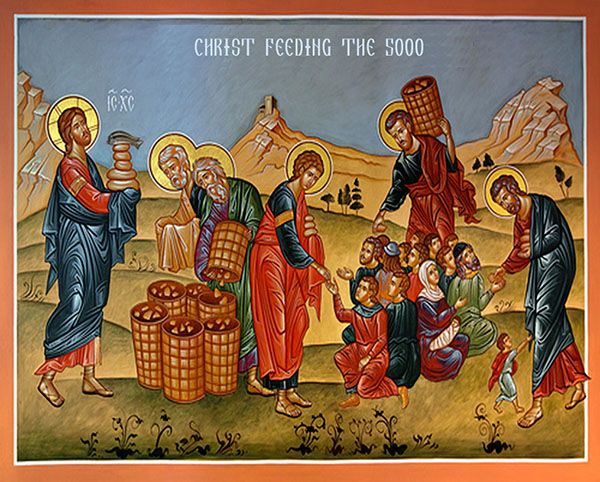
View MoreChrist gathers what we scatter. He gathers divided hearts, divided communities, divided hopes. He gathers our small offerings—our time, our compassion, our willingness to serve—and makes them more than they could ever be in our hands alone. The miracle of the loaves is not only about feeding; it is about communion. It is about people sitting together, receiving from one source, discovering that in Christ’s hands there is always enough.
-
Archbishop Michael to Visit, August 1-2
View MoreOn the weekend of Saturday, August 1 through Sunday, August 2, His Eminence, Archbishop Michael of New York, the Diocese of New York and New…
-
“Do you believe that I am able to do this?”
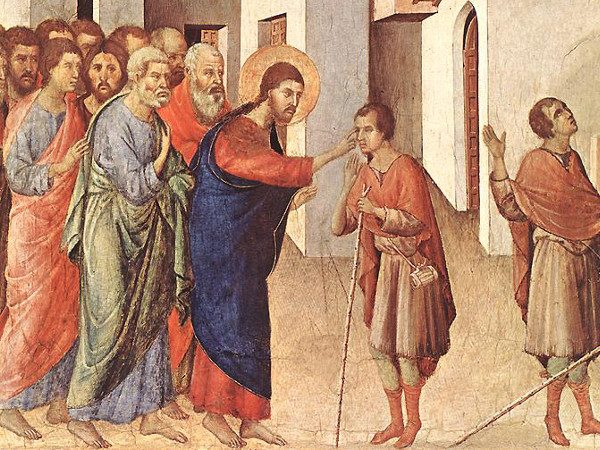
View MoreWhen Jesus asks, “Do you believe that I am able to do this?” He is not asking for certainty. He is asking for trust. And their simple answer—“Yes, Lord”—opens their eyes.
-
Icon Scholars Visit
View MoreOur parish had a fascinating visit this week from three scholars who are studying the work of iconographer Pimen Sofronov (1898-1973). Sofronov was from the…
-
Take Heart: Forgiven, Restored, and Sent to Love
View MoreForgiveness is the first word of healing. It is the gentle restoration that steadies us before we stand, the mercy that loosens what has been tightened by fear, shame, or long discouragement. And when Christ speaks that word, He does not only mend the one who suffers; He reveals His authority, His identity, His heart. The God who heals is the God who forgives. The God who raises the body is the God who raises the soul.
-
The Word That Breaks Chains, The Word That Saves Souls
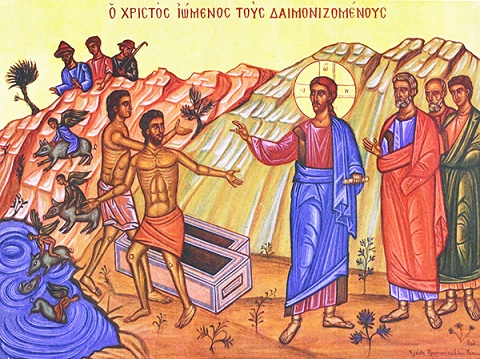
View MoreThere is something beautiful about the moment Jesus steps onto the shore of the Gergesenes. He arrives not to applause, not to welcome, but to a confrontation with the very forces that torment humanity. Two men—violent, isolated, living among tombs—rush toward Him. They are the picture of what darkness does to a soul: it isolates, dehumanizes, and buries a person long before death ever comes. Yet Jesus does not flinch.